Micro to Macro: Small Changes Lead to Big Impacts
April 28, 2026
Getting Started with USDA NRCS
July 20, 2026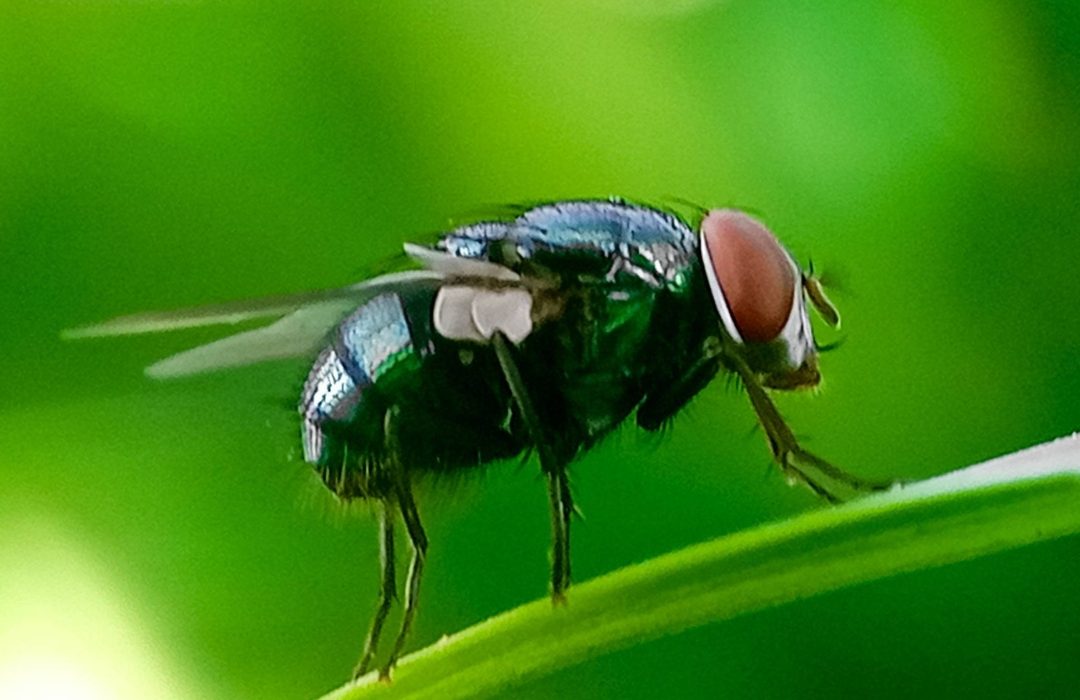
What Is the New World Screwworm?
The New World Screwworm (Cochliomyia hominivorax) is a devastating parasite. Female flies lay eggs in wounds, and when the larvae hatch, they burrow into the flesh of a living animal. This can lead to severe damage, suffering, and even death if left untreated.
Screwworms can infest:
- Livestock
- Pets
- Wildlife
- Occasionaly birds
- And in rare cases, people
Where Is NWS Found and Why it Matters?
New World Screwworm is currently endemic in parts of the Caribbean (Cuba, Haiti, and the Dominican Republic) and South America. The U.S. successfully eradicated NWS in 1966 through a sterile insect release program, and in 2017 USDA eliminated a small outbreak in the Florida Keys using the same approach.
For decades, the United States successfully kept the New World Screwworm out of the country through aggressive surveillance and eradication programs. However, on June 3, 2026, the U.S. Department of Agriculture & Animal and Plant Health Inspection Service (USDA APHIS) confirmed the first U.S. case of New World Screwworm in decades when larvae were detected in a calf in Zavala County, Texas. The infestation was found in the animal's umbilical area.
Additional cases were confirmed throughout June. USDA subsequently reported infections in cattle in Texas, as well as cases involving dogs in Texas and New Mexico. By mid-June, the number of confirmed U.S. cases had increased as animal health officials continued active surveillance and response efforts.
The detections follow the northward spread of the parasite through Central America and Mexico. USDA and international partners have been monitoring the situation closely.
USDA's latest updates on confirmed New World Screwworm cases in the United States are available through the link below:
https://www.aphis.usda.gov/animals/animal-health/livestock-and-poultry-disease/current-
status/us-confirmed-cases-new-world
USDA current Response Efforts
USDA APHIS, state animal health officials, and industry partners have launched an aggressive response aimed at preventing establishment of the parasite in the United States. Measures include:
- Intensive surveillance and investigation of suspected cases.
- Movement controls and animal health monitoring
- Expanded sterile insect release programs along the U.S. - Mexico border
- Coordination with Mexico and Central American partners on containment efforts
- Public outreach encouraging producers to report suspicious wounds and infestations immediately.
The sterile insect technique has historically been one of the most successful tools against screwworm. Sterile male flies are released into affected areas, where they mate with wild females and prevent reproduction, gradually collapsing the pest population. USDA currently disperses millions of sterile flies each week as part of its suppression strategy.
FDA Authorizes Emergency Use of Doramectin Products
As part of the federal response to the New World Screwworm threat, the U.S. Food and Drug Administration (FDA) recently issued an Emergency Use Authorization (EUA) for Dectomax® and Dectomax®-CA1 (doramectin injection) to help prevent and treat New World Screwworm infestations, also known as myiasis.
Under the EUA, the products may be used for the prevention and treatment of New World Screwworm infestations in dairy cattle, including lactating dairy cows, dry dairy cows, and replacement dairy heifers 20 months of age and older. The authorization does not apply to calves that will be processed for veal.
Federal officials say the emergency authorization provides veterinarians and livestock producers with an additional tool to protect susceptible animals while surveillance, containment, and eradication efforts continue. Producers should consult their veterinarian and carefully follow all FDA guidance and label requirements regarding the authorized use of these products.
Protecting Your Herd
Early detection is critical. Livestock owners should monitor animals closely for:
- Open wounds that fail to heal.
- Foul - smelling or enlarging wounds.
- Presence of maggots withing wounds.
- Head shaking, irritation, or unusual behavior.
- Reduced appetite, weight loss, or weakness
- Infestations around navels of newborn animals, dehorning sites, branding wounds, or castration sites.
Any suspected case should be reported immediately to a veterinarian or state animal health official.
Staying Ahead of the Threat
While the recent detections are concerning, animal health officials emphasize that the United States has extensive experience combating New World Screwworm and a proven eradication strategy. Continued vigilance, rapid detection, and coordinated response efforts will be essential to protecting U.S. livestock, wildlife, and agricultural industries from this costly parasite.
For livestock producers, the message is clear: know the signs, inspect animals regularly, and report suspected cases immediately. Early action can make the difference between containing an isolated infestation and allowing a devastating pest to spread.
Written by: Swati Shrestha, PHD - Programs Manager, MOA