Organic Certification
April 6, 2026
Healing the Land: How Adaptive Grazing and Nature’s Keystone Species Can Stop Chemical Runoff and Restore Our Soils
April 20, 2026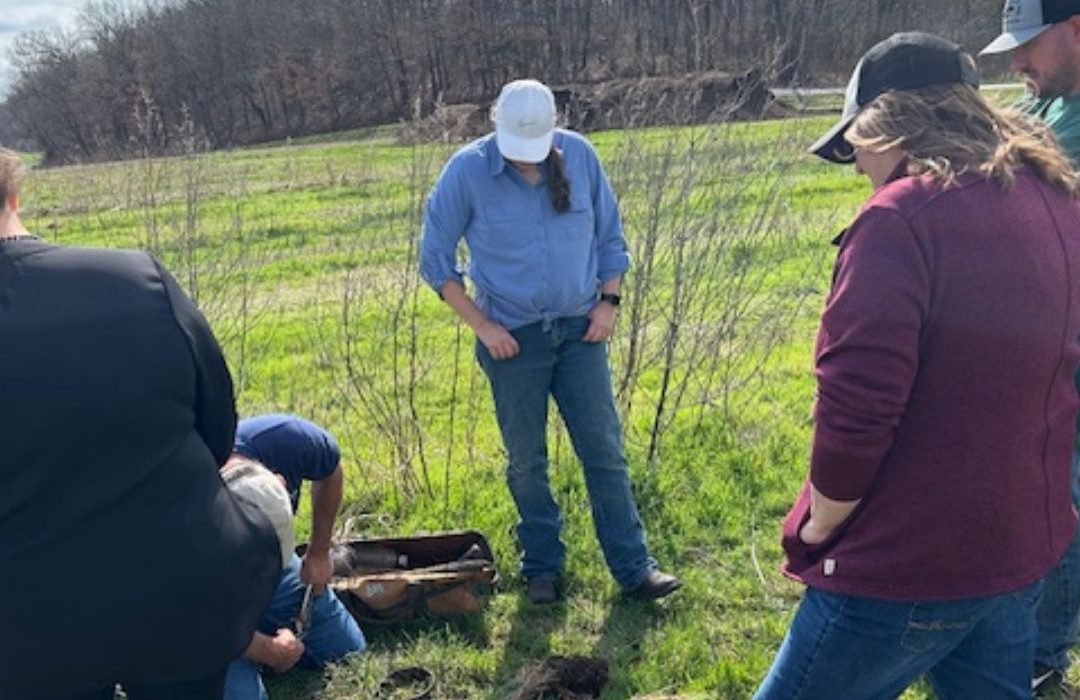
From Curiosity to Change: How Field Days are Impacting Producers
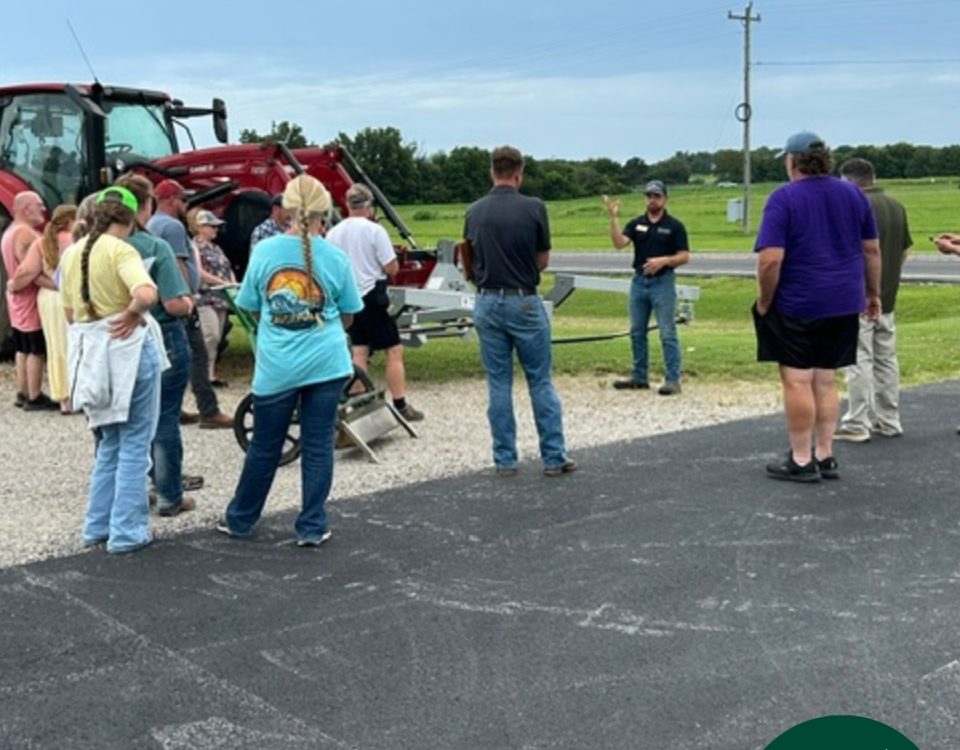
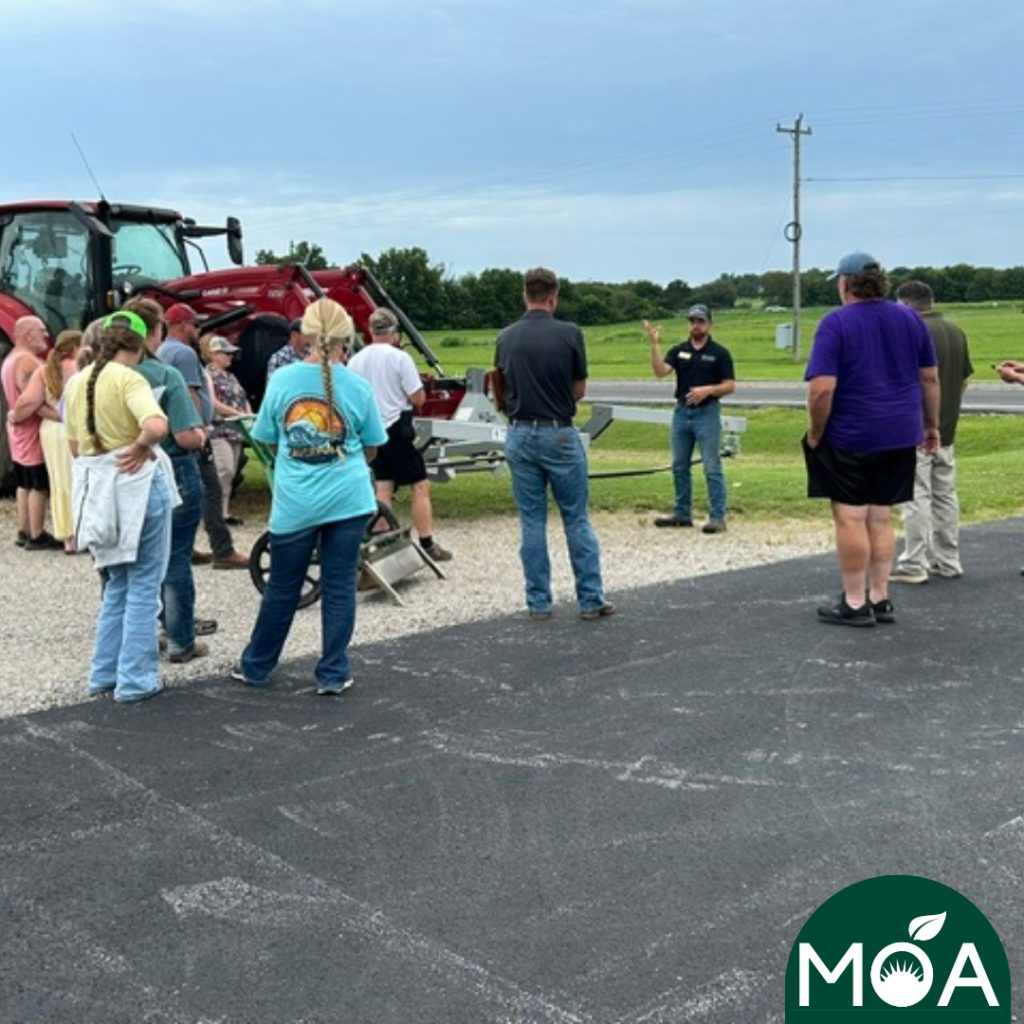
Last month, I had the opportunity to attend a field day hosted by Understanding Ag at the Southwest Research, Extension and Education Center. The event, held in partnership with the Missouri Department of Natural Resources and the United States Environmental Protection Agency, focused on a topic that feels more urgent every season: drought-proofing our farms.
But this wasn't just a conversation about surviving dry weather. It was about building resilient systems - ones that can withstand extremes while improving profitability and long- term health of the land.
Resilience From the Ground Up
Throughout the day we explored the science of practical strategies that farmers can implement immediately:
- Using cover crops to maintain and even build soil structure
- Reducing input costs by working within nature's systems rather than against it and reducing "events" on the land
- Increasing forage availability throughout the year for less reliance on hay and silage
- Extending grazing season
- Designing systems that catch and retain water more effectively during rainfall events and droughts
A Shift Happening in Real Time
One of the most exciting parts of the day was outside the content - it was the audience.
This field day was a snapshot of a larger shift I see happening across the state. Farmers are showing up for events like this that have not considered regenerative practices previously. Now they are showing up, asking questions, and seriously exploring how practices like rotational grazing and cover cropping can improve their operations.
Many come because of the economics. Reducing input costs and improving bottom line dollars is a powerful motivator. But what I find remarkable is that when they get to be hands on, when they see side by side soil samples and water retention, when they are at events like this - they begin to value the soil health, water cycles, and ecosystem function in a new way.
From Classroom to Field & Understanding the Why
The day started in a classroom with Rodney Sanders guiding us through a session. We dove deep into the water cycle, management practices, and the science of the plants interaction with the soil, fungi and microbiome. He also demonstrated these concepts in real time with hands on practices for us.
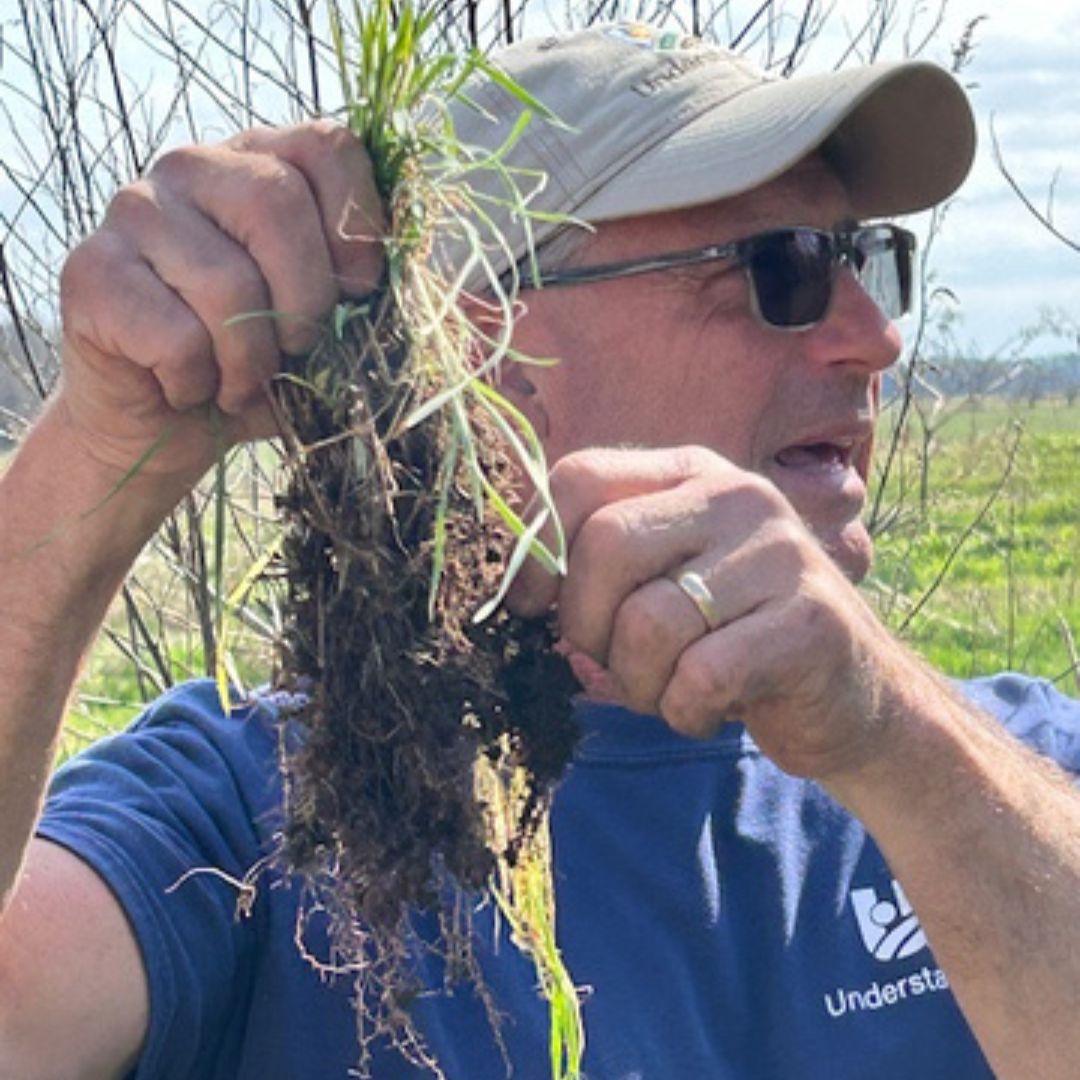
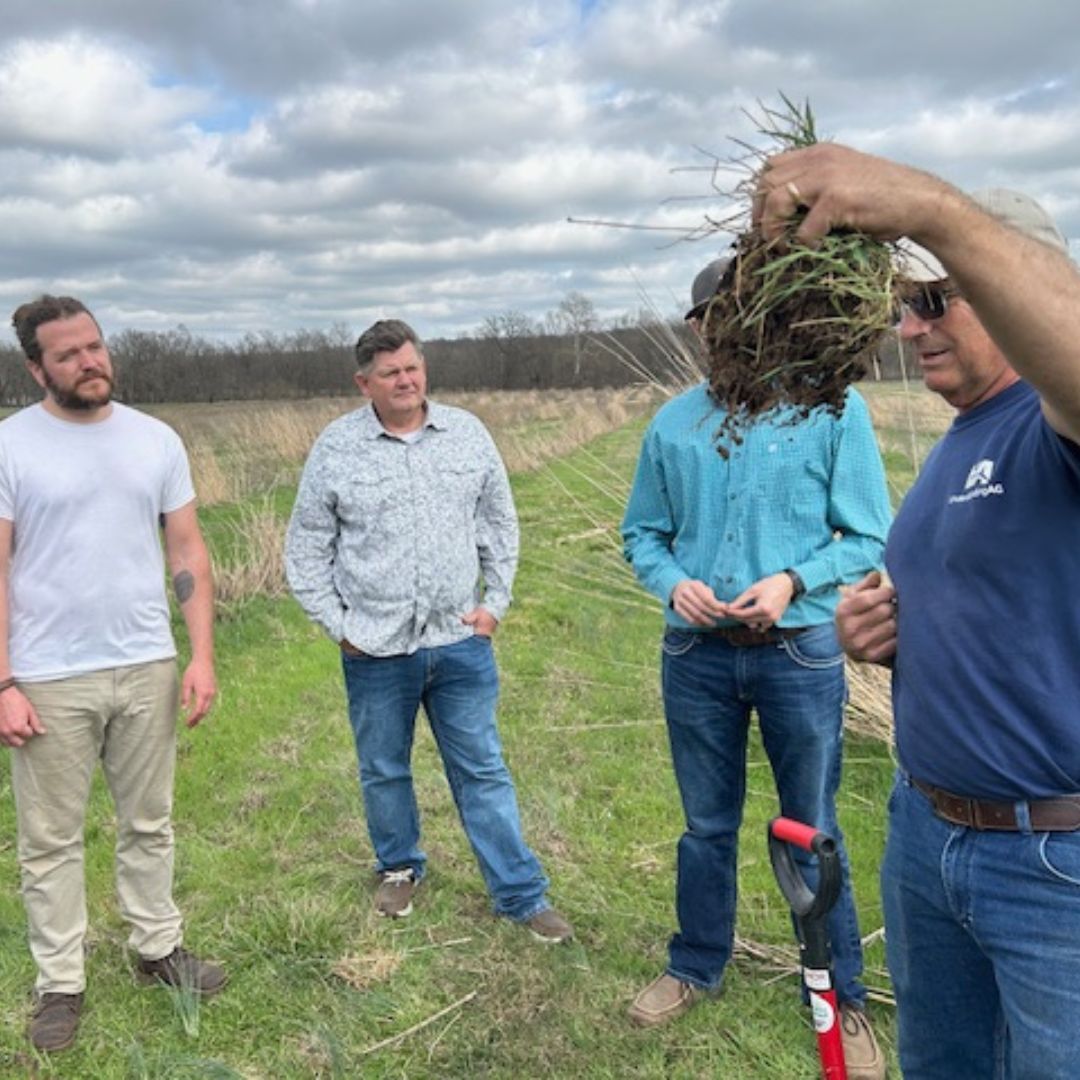
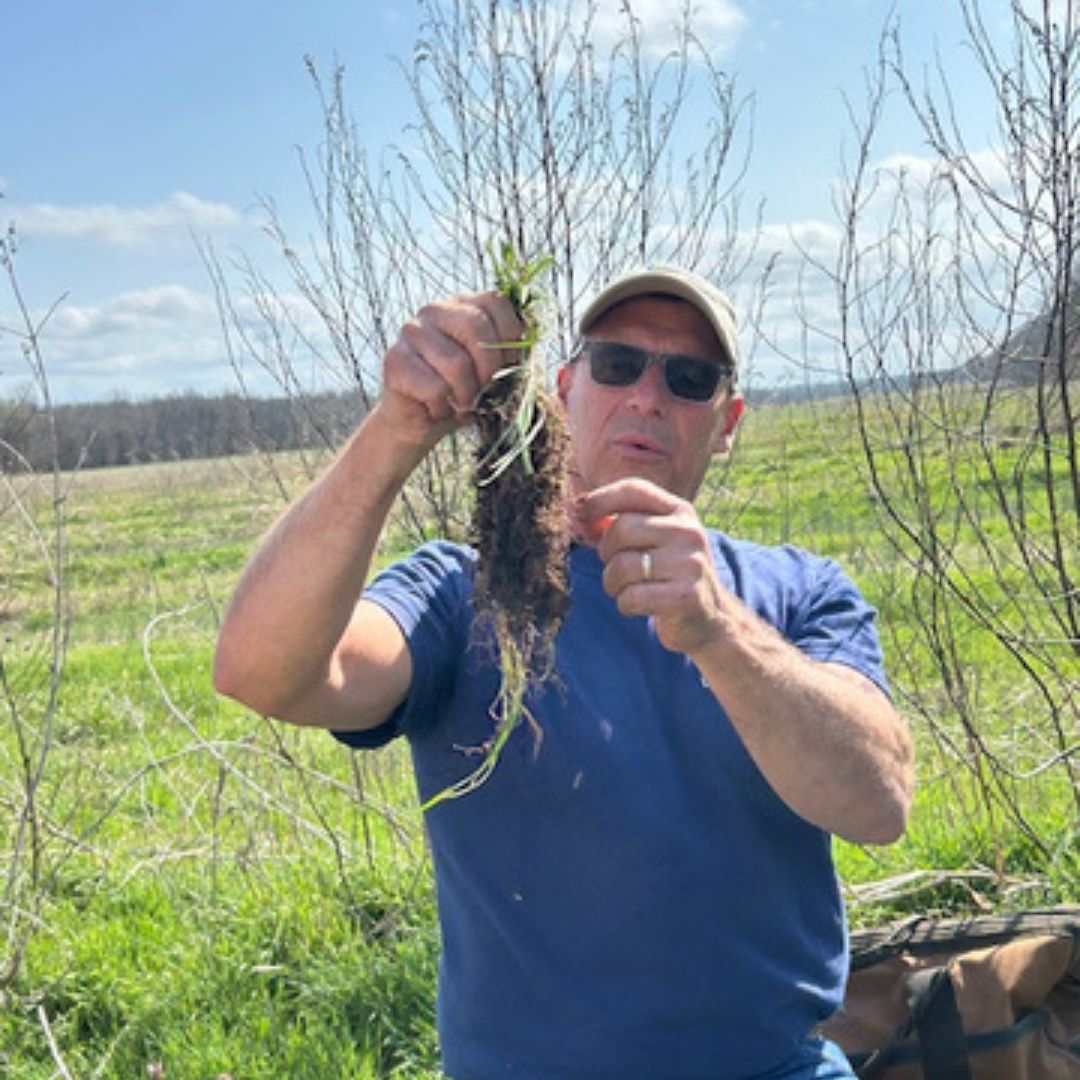
In the afternoon, we visited Elder Farms. We looked at land that had transitioned from conventional row cropping to perennial-based elderberry system with intentional management. And we got our hands in the soil. We smelled it. We felt its structure. We observed how it held together and retained moisture.
These simple acts leave an impression.
Why These Days Matter
Events like these are more than educational opportunities. They are catalysts.
They bring together farmers, researchers and agencies in a way that encourages change. They create space for curiosity and for challenging they way we've always done things. They show that we can be profitable while practicing regeneratively on farm.
And we are seeing that sort of change across Missouri.
Written by: Grace Ames, Communications & Membership Manager