

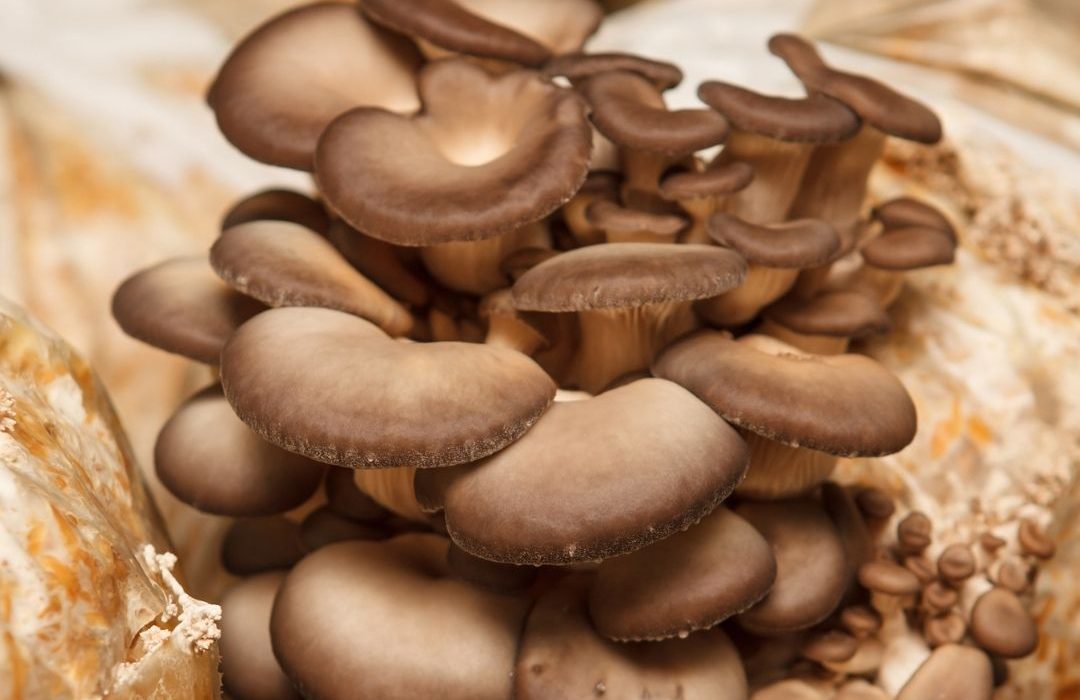
Mushroom production is attracting growing interest among farmers, specialty crop growers, and small-scale agricultural businesses. From oyster and shiitake mushrooms to other specialty varieties, mushrooms can provide producers with an opportunity to diversify their farm businesses and reach new markets.
For Missouri mushroom growers interested in marketing their products as organic, understanding the certification process is an important first step. While mushroom production differs considerably from traditional crop production, mushrooms can be certified organic under the USDA National Organic Program (NOP).
What Does Organic Certification Mean for Mushroom Growers?
USDA organic certification verifies that an operation follows federal organic production and handling requirements. In most cases, producers who want to market and label their mushrooms as "organic" must have their operation certified by a USDA-accredited certifying agent.
For mushroom producers, certification involves more than simply avoiding synthetic pesticides. The certifier evaluates the overall production system, including the growing substrate, mushroom spawn, production inputs, pest and disease management, sanitation practices, harvesting, storage, and recordkeeping.
Because mushroom production systems can vary significantly—from mushrooms grown on logs to indoor production using sawdust, straw, grain, or other substrates—it is important for producers to discuss their particular system with their certifier.
Pay Special Attention to Spawn and Substrate
One of the most important considerations in organic mushroom production is the material on which the mushrooms are grown.
Mushroom substrates may contain agricultural materials such as straw, grain, sawdust, or other plant-based ingredients. Producers should maintain detailed records showing where these materials came from and how they were produced.
Spawn is another important consideration. Producers should document the source of their mushroom spawn and discuss its organic status with their certifier. Certifiers may require documentation when organic spawn is unavailable.
Before purchasing or using a new substrate ingredient, supplement, pest-control product, sanitizer, or other production input, growers should check with their organic certifier to determine whether it is allowed under their Organic System Plan.
How Does the Certification Process Work?
Although every operation is different, the organic certification process generally follows several basic steps.
- Select a USDA-accredited organic certifier.
The producer first chooses an accredited certification agency that serves Missouri and accepts mushroom operations. - Complete an Organic System Plan (OSP).
The OSP describes how mushrooms are produced and how the operation will comply with organic requirements. Producers should be prepared to provide information about mushroom varieties, spawn, substrate ingredients, production areas, inputs, pest management, sanitation, harvest, storage, packaging, and recordkeeping. - Submit the application for review.
The certifier reviews the OSP and supporting records to determine whether the proposed production system appears to meet organic requirements. - Complete an on-site inspection.
An organic inspector visits the operation to verify that the practices described in the OSP are actually being followed. Records, production areas, inputs, storage areas, and other parts of the operation may be reviewed. - Certification review and decision.
After the inspection, the certifier reviews the inspection report and other documentation. If the operation meets USDA organic requirements and any outstanding issues are resolved, the certifier issues organic certification.
Organic certification is an ongoing process. Certified producers must maintain records, keep their Organic System Plan current, and undergo periodic inspections to maintain certification.
Organic Certifiers Serving Missouri Mushroom Producers
Missouri growers have several certification options. Producers should contact a certifier directly before applying to confirm that it is accepting new mushroom operations and that it can accommodate their particular production system.
OEFFA Certification
OEFFA Certification is a USDA-accredited organic certifier currently accepting new applications from operations in Missouri. Its Producer Organic System Plan specifically includes mushroom producers.
OEFFA also recognizes that mushroom production does not necessarily follow a traditional field-crop growing season and states that mushroom operations may be able to submit new applications at other times of the year. Producers should contact OEFFA directly about current application availability and requirements.
Midwest Organic Services Association (MOSA)
MOSA is another USDA-accredited certifier with extensive experience working with agricultural producers. Its certification process includes submission of an application and Organic System Plan, an initial review, inspection, final review, and certification decision.
Missouri mushroom producers interested in working with MOSA should contact the organization to confirm current service availability for their location and mushroom production system.
Other USDA-accredited certifiers may also serve Missouri. Producers can use the USDA Organic INTEGRITY Database and National Organic Program resources to identify additional certification options.
Start Keeping Records Early
Good recordkeeping can make the transition to organic certification much easier.
Mushroom producers considering certification should begin documenting:
- Sources of mushroom spawn
- Substrate ingredients and suppliers
- Organic certificates for applicable ingredients
- Production and harvest dates
- Input products used in production
- Pest and disease management practices
- Cleaning and sanitation materials
- Mushroom production and sales
- Storage and handling practices
Keeping these records before beginning the certification application can help producers identify potential problems early and make the application and inspection process smoother.
Preparing for Changes in Mushroom Organic Standards
USDA has been working on more specific organic production requirements for mushrooms, including provisions addressing mushroom substrate, spawn, compost, and other production materials.
Because the regulatory situation has been evolving, growers planning a new organic mushroom operation should work closely with their certifier rather than relying solely on older guidance. A certifier can explain which requirements currently apply and help producers prepare their production system for upcoming changes.
Interested in Organic Mushroom Certification?
Organic mushroom certification may open new opportunities for Missouri producers interested in specialty crop production and organic markets. Starting early, maintaining good records, understanding substrate and spawn requirements, and communicating with a certifier can make the certification process much easier.
The Missouri Organic Association (MOA) works to support producers interested in organic agriculture and help connect farmers with information and resources as they explore organic production and certification.
If you are a Missouri mushroom grower interested in learning more about organic certification, reach out to MOA to learn about available resources and next steps.