Missouri Growers: Don’t Miss the January 15 NRCS Deadline for Conservation & Regenerative Farming Support
December 19, 2025
Exploring Opportunities for Integrated Crop-Livestock Systems in Missouri
January 28, 2026
If you’re a Missouri grower — from hobby gardener to full-time farmer — you’re likely always looking for ways to extend your season, boost yields, and get high-quality produce into local markets faster. One tool that’s gaining popularity across the state is the high tunnel — a simple yet powerful season-extension structure that’s transforming how we grow vegetables, fruits, and
specialty crops.
What Are High Tunnels?
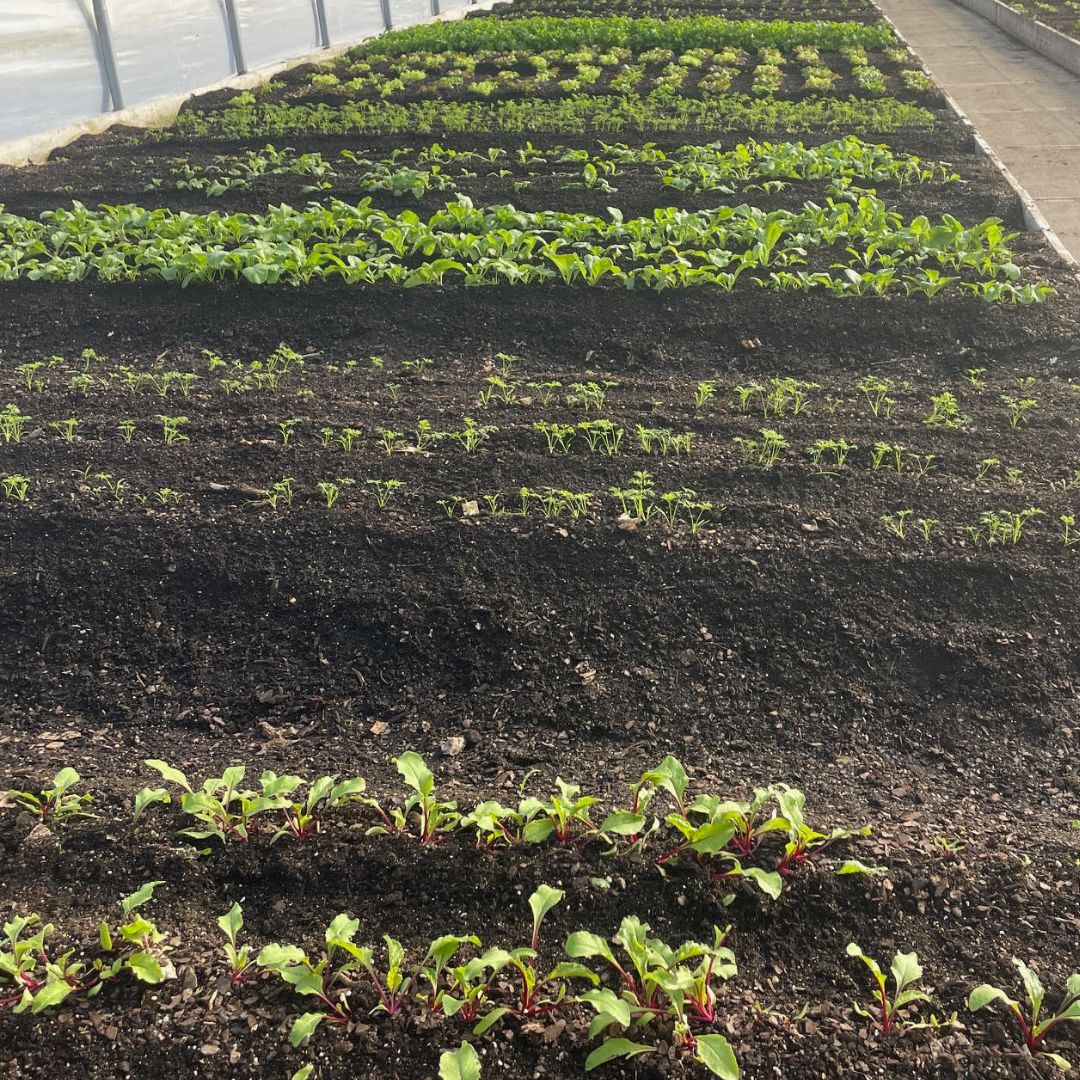
High tunnels — often called hoop houses — are unheated, plastic-covered structures that use the sun’s energy to create a warmer, more controlled environment for growing crops. Unlike
traditional greenhouses, high tunnels rely on passive solar heating and natural ventilation (rolling side walls or end doors) rather than electric heating or automated fans.
They look like greenhouses at first glance, but they’re built with economy and practicality in mind — metal ribs covered with polyethylene plastic, usually oriented to catch maximum light and withstand prevailing winds.
Why High Tunnels
High tunnels are becoming increasingly common in Missouri for several good reasons:
1. Extended Growing Season
High tunnels warm the soil and air, allowing planting weeks earlier in the spring and harvesting far later in the fall — sometimes even through mild winter months. This extended season means fresh crops when field-grown produce isn’t yet available.
2. Protection from Weather
Missouri’s weather can be unpredictable — heavy rains, early/late frosts, and high winds can all threaten crops. High tunnels shield plants from these extremes, giving growers more control over growing conditions and often resulting in higher quality produce.
3. Pest & Disease Advantage
By blocking direct rainfall and creating a physical barrier, high tunnels reduce exposure to certain pests and diseases. Combined with drip irrigation and careful management, this can mean
less disease pressure and more marketable yield.
4. Market Opportunities
Early-season tomatoes, lettuce, greens, strawberries, and other high-value crops grown in high tunnels can provide premium prices because they hit the market before field produce is ready. Some Missouri growers have reported earning significantly more through high tunnel early harvests.
5. Local Food & Community Impact
High tunnels help supply local food year-round — a huge advantage for community supported agriculture (CSA) programs, farmers markets, and restaurants wanting fresh, locally grown produce even in shoulder seasons.
Getting Started: Practical Tips for Missouri Growers
Thinking about jumping into high tunnel production? Here are some essentials:
- Site selection matters. Choose a location with full sunlight, good drainage, and easy access for daily care. Proximity to your home or farm headquarters makes monitoring
easier.
- Orientation, size & design. Producers should take care to choose an appropriate site for a high tunnel. Since high tunnels are passively cooled, in Missouri they should be oriented northwest to southeast because of prevailing winds. The most popular is a
Quonset design with a single layer of plastic fit over bows or ribs. The second is a Gothic arch style that has a pointed apex and is more similar in appearance to a greenhouse (University of Missouri Extension horticulture specialist David Trinklein - 2018). High tunnels are typically 20-30 feet wide and up to 96 feet long. Most are 9-12 feet tall and
have 39- to 60-inch sidewalls. Bows are spaced 4-6 feet apart. Trinklein said bows should be constructed from galvanized steel pipe of 50/55 strength rating. High tunnels with corner posts set in concrete will be more likely to withstand strong winds and heavy snow accumulation.
- Quality materials pay off. Use greenhouse-grade plastic (replace every few years) and durable framing like galvanized steel to handle winds and snow.
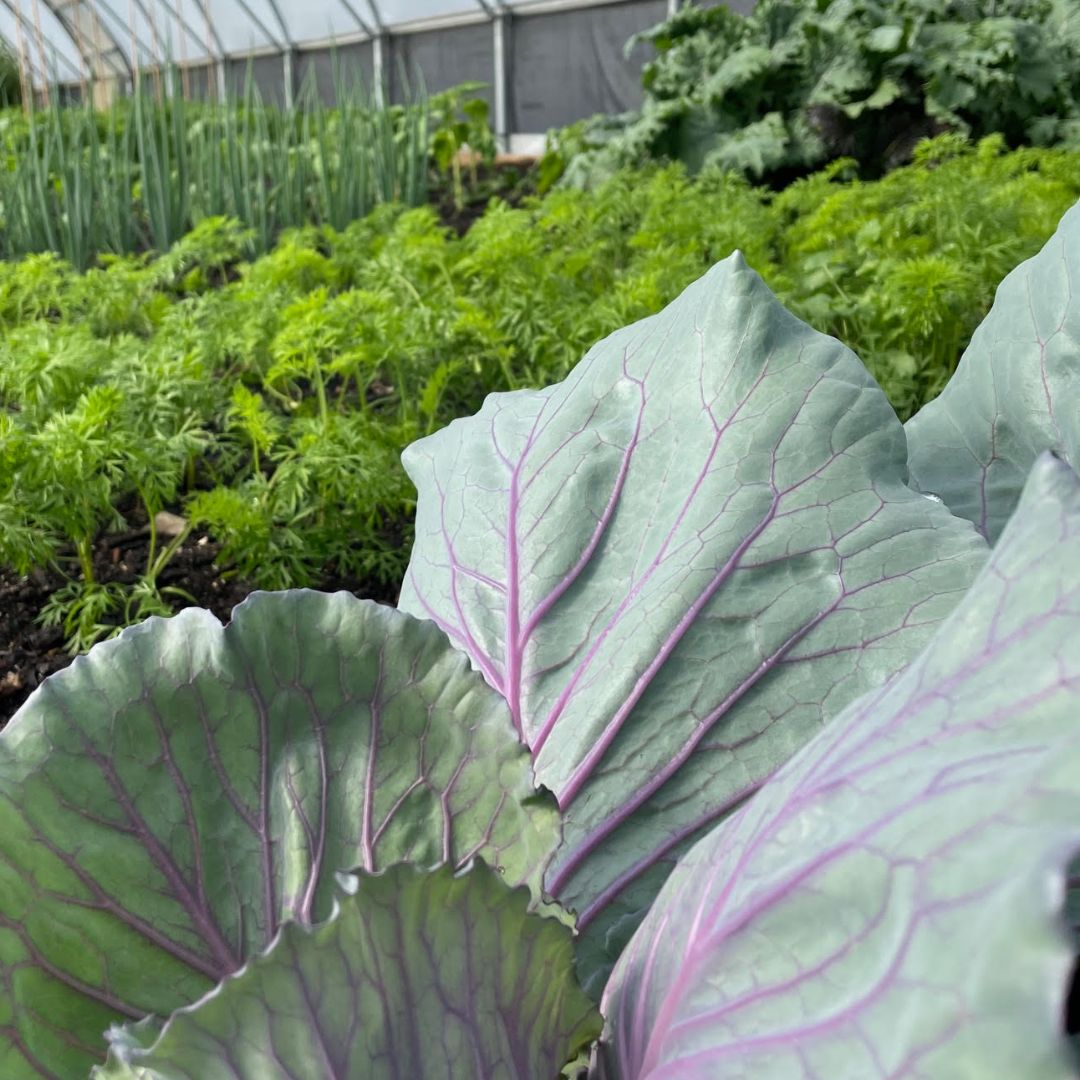
- Crop selection. Tomatoes are often the top pick, but high tunnels support a wide range— from salad greens and cucumbers to melons and strawberries — often at much higher densities than open fields.
Financing & Support for Missouri Growers
High tunnels can be a big investment, but there’s financial help available. Programs like the USDA’s Environmental Quality Incentives Program (EQIP) offer cost–share assistance to Missouri growers installing high tunnels. These funds can significantly reduce upfront costs and
encourage sustainable, efficient production.
Additionally, the University of Missouri Extension regularly offers workshops, publications, and even webinar series — like the Tunnel to Table program — to help growers learn everything from construction to crop management. The “Tunnel to Table” program is a practical 12-session
webinar series on growing specialty crops in high, low, and caterpillar tunnel where participants can learn directly from Extension specialists and researchers as they cover tunnel construction, irrigation and fertility management, pest and disease control, specialty crop production, and
economics. The course cost is $96-140 with limited scholarship and the webinars state January 20, 2026. More information on the webinar series can be found in the link below:
https://pears.io/events/mu/2002/
Challenges to Consider
High tunnels are not without challenges. They require:
- Regular monitoring — temperatures can fluctuate widely, especially in spring and fall.
- Labor intensity — opening and closing sides, venting, irrigation and pest checks are hands-on.
- Weather risks — heavy snow loads and strong winds can damage plastic and frames if not properly built.
But with careful planning and good management, most growers find that the benefits far outweigh the drawbacks.
Written By: Dr. Swati Shrestha, PhD, Programs Manager, Missouri Organic Association