MOA’s TOPP Role
April 2, 2026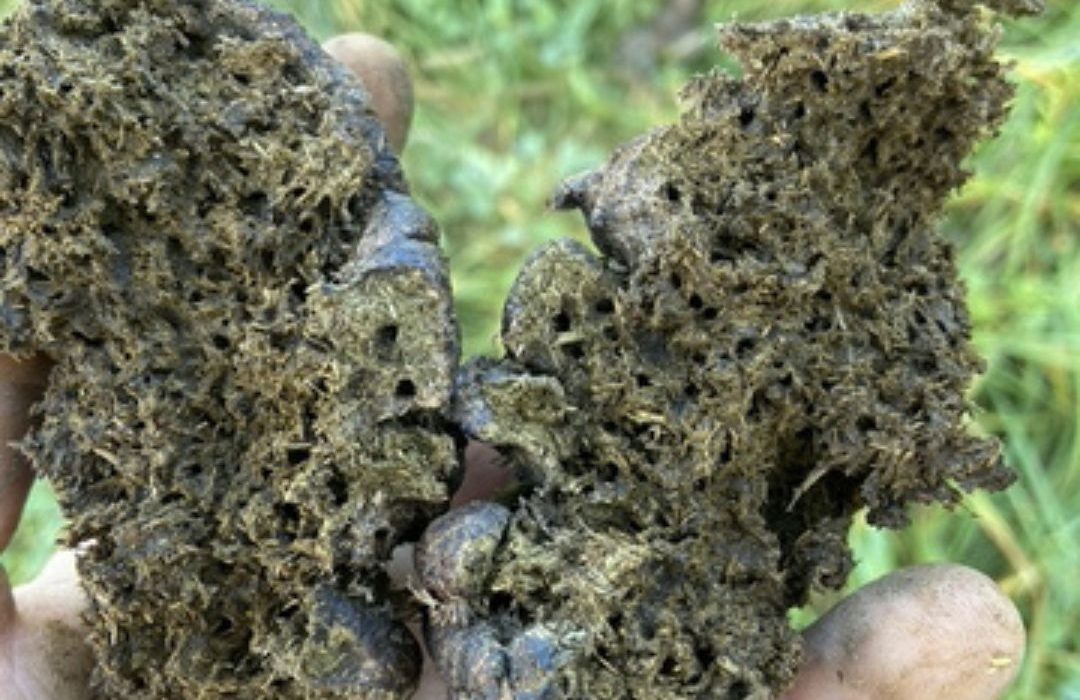
KPI's for Regenerative Grazing
Healthy grazing systems don't happen by accident—they leave clues. In our recent The Farm Gate Journal webinar, Caleb Howerton shared the key performance indicators he uses to evaluate whether a grazing operation is becoming more resilient, productive, and profitable.
While every farm is different, Caleb emphasized that producers should regularly observe and measure indicators across four areas of their operation.
Pasture & Plant Health
A productive pasture is about much more than grass.
Caleb encouraged producers to look for:
- Diverse plant communities rather than monocultures
- Dense ground cover with minimal bare soil
- Plants with varying root depths and growth habits
- Pastures that recover quickly after grazing
- Forage that remains productive through changing weather conditions
Plant diversity creates resilience, helping livestock maintain quality forage even during drought or other stressful conditions.
Livestock Performance
Your animals are constantly telling you how well your system is working.
Some of the indicators Caleb looks for include:
- Calm, content animals that spend time resting
- Healthy body condition and shiny hair coats
- Less dependence on purchased supplements
- Reduced need for fly control and dewormers
- Livestock utilizing a variety of forage species
Healthy animals are often the result of healthy soils and diverse pastures.
Soil Health
Building healthier soils requires measuring more than fertility alone.
During the webinar, Caleb discussed several useful tools, including:
- Soil organic matter testing
- Water infiltration tests
- Compaction measurements with a penetrometer
- Biological soil testing, including the Haney Test
- Mineral balancing through the Albrecht-Kinsey approach
Each provides different insights into how well your soil is functioning and where improvements can be made.
Biodiversity & Ecosystem Health
One of the most unique takeaways from the webinar was that successful grazing systems should be full of life.
Caleb recommends paying attention to indicators such as:
- A wide variety of plant species
- Dung beetle activity
- Beneficial insects and pollinators
- Birds and other wildlife
- Overall biological activity throughout the pasture
A thriving ecosystem often signals that your grazing management is improving both productivity and resilience.
Looking Beyond the Symptoms
One of Caleb's biggest messages was that regenerative grazing isn't about chasing a single number or copying someone else's system. Every farm has unique soils, weather patterns, and management goals.
When problems arise, resist the urge to treat only the symptoms. Instead, ask what underlying management practices may be contributing to the issue. Small improvements in grazing timing, livestock movement, soil biology, and pasture diversity can compound into significant long-term gains.
If you're looking for practical ways to evaluate your own operation and identify meaningful indicators of success, this webinar is packed with observations and tools you can begin using right away.
Watch the full webinar recording HERE to learn how to measure what matters in a regenerative grazing system.