TOPP Mentor-Mentee Success Story: Building Organic Futures Through Connection & Collaboration
October 28, 2025
Organic Certification
April 6, 2026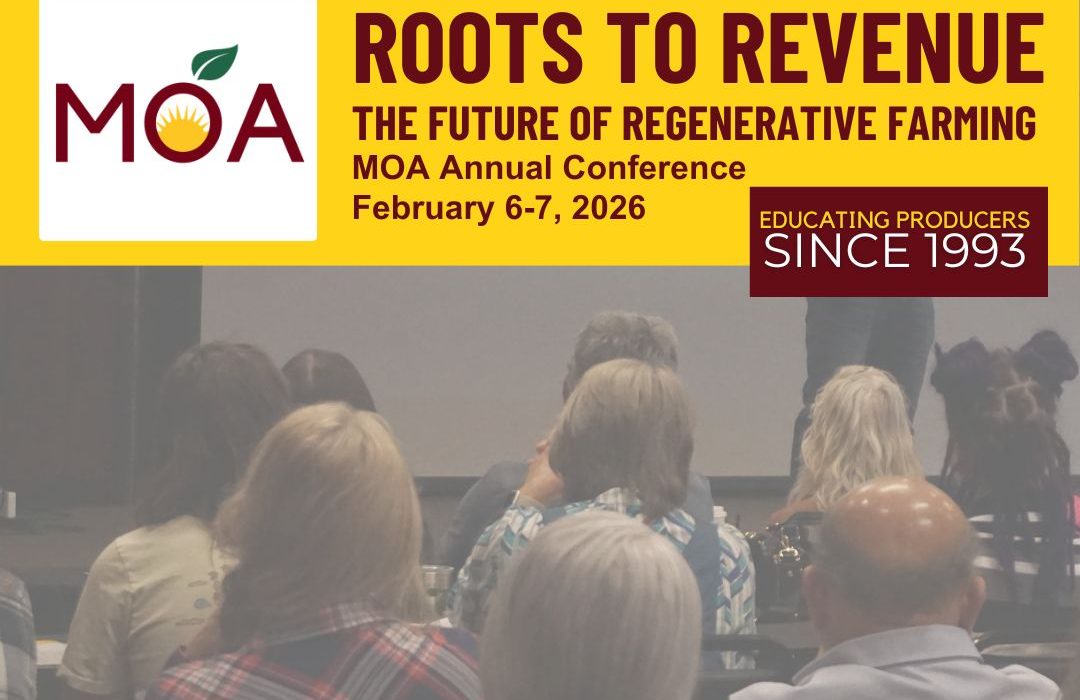
Roots to Revenue - Missouri Organic Association’s Annual Conference 2026: A Powerful Gathering for Learning, Connection, and Growth
February 6–7 | Columbia, Missouri
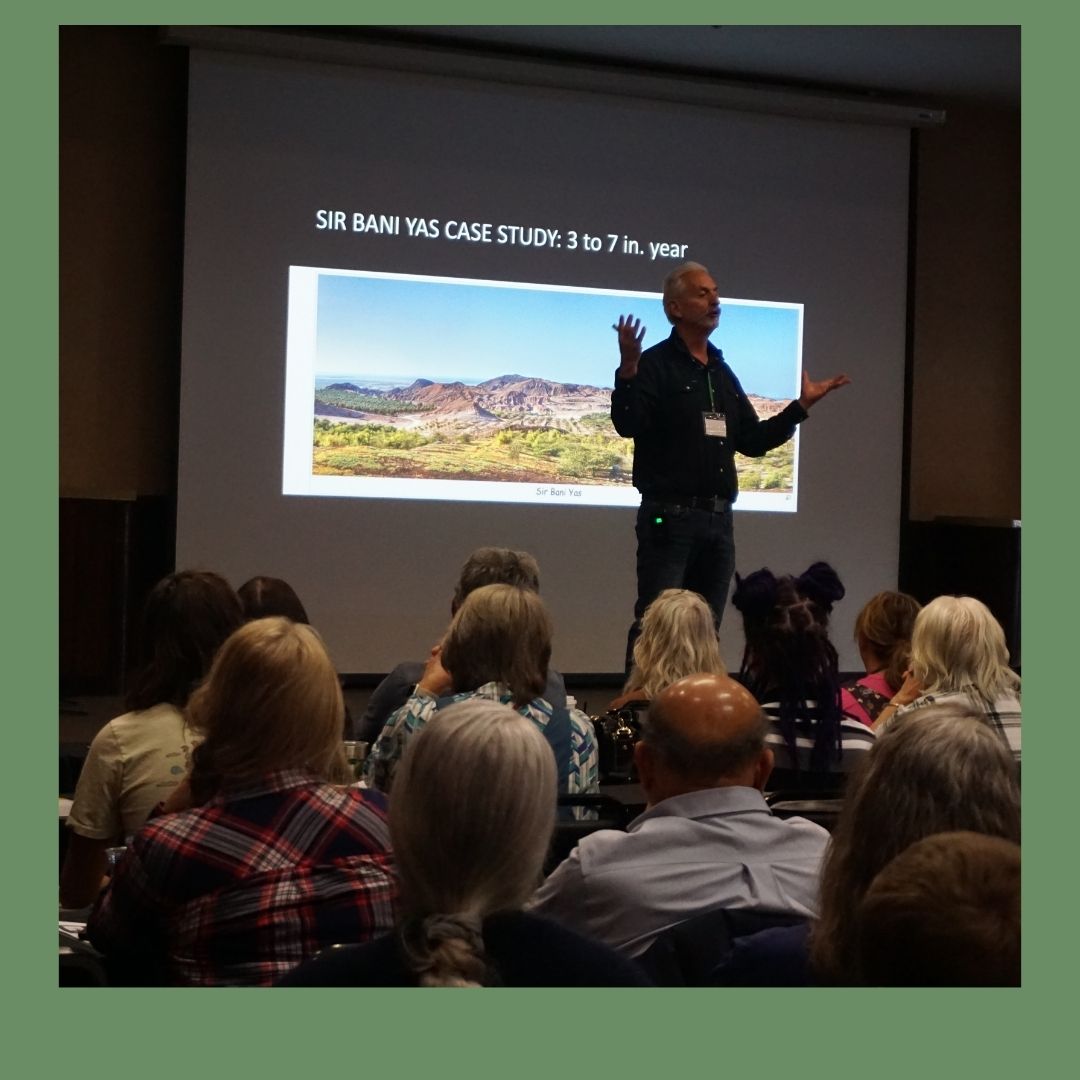
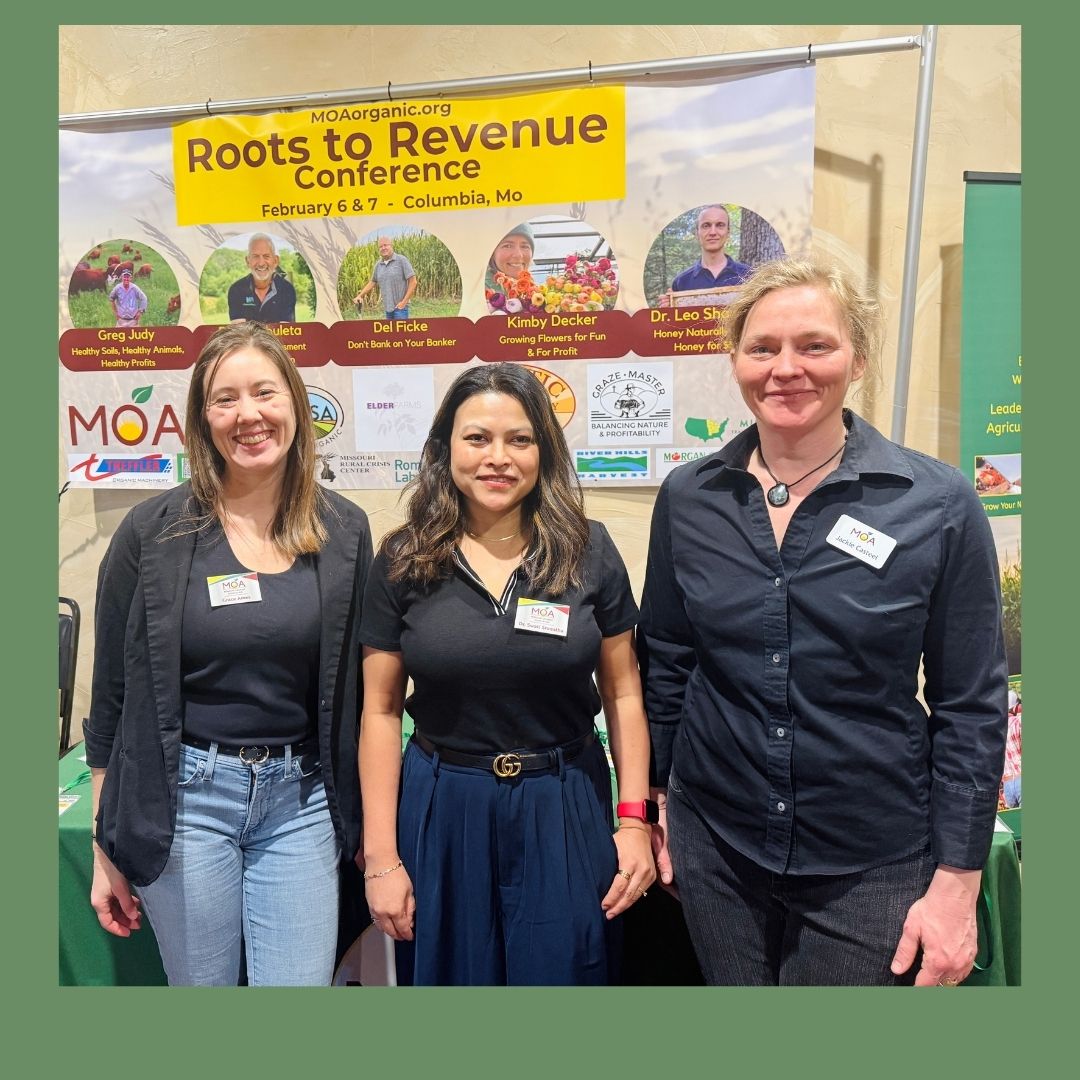
Missouri Organic Association hosted its annual conference on February 6–7 in Columbia, Missouri, bringing together 230 attendees representing Missouri and neighboring states. The strong turnout reflected the growing interest in organic and regenerative agriculture and reaffirmed the conference’s role as a key regional gathering for farmers, educators, and agricultural professionals.
Participants included experienced producers, beginning farmers, researchers, extension professionals, and ag service providers. Across two days, attendees engaged in concurrent sessions, panel discussions, and informal conversations focused on building resilient, profitable, and regenerative farming systems.
Educational Impact and Program Highlights
The conference offered a wide-ranging educational program addressing soil health, regenerative grazing, organic certification, specialty crops, farm business management, marketing, agritourism, and emerging agricultural technologies.
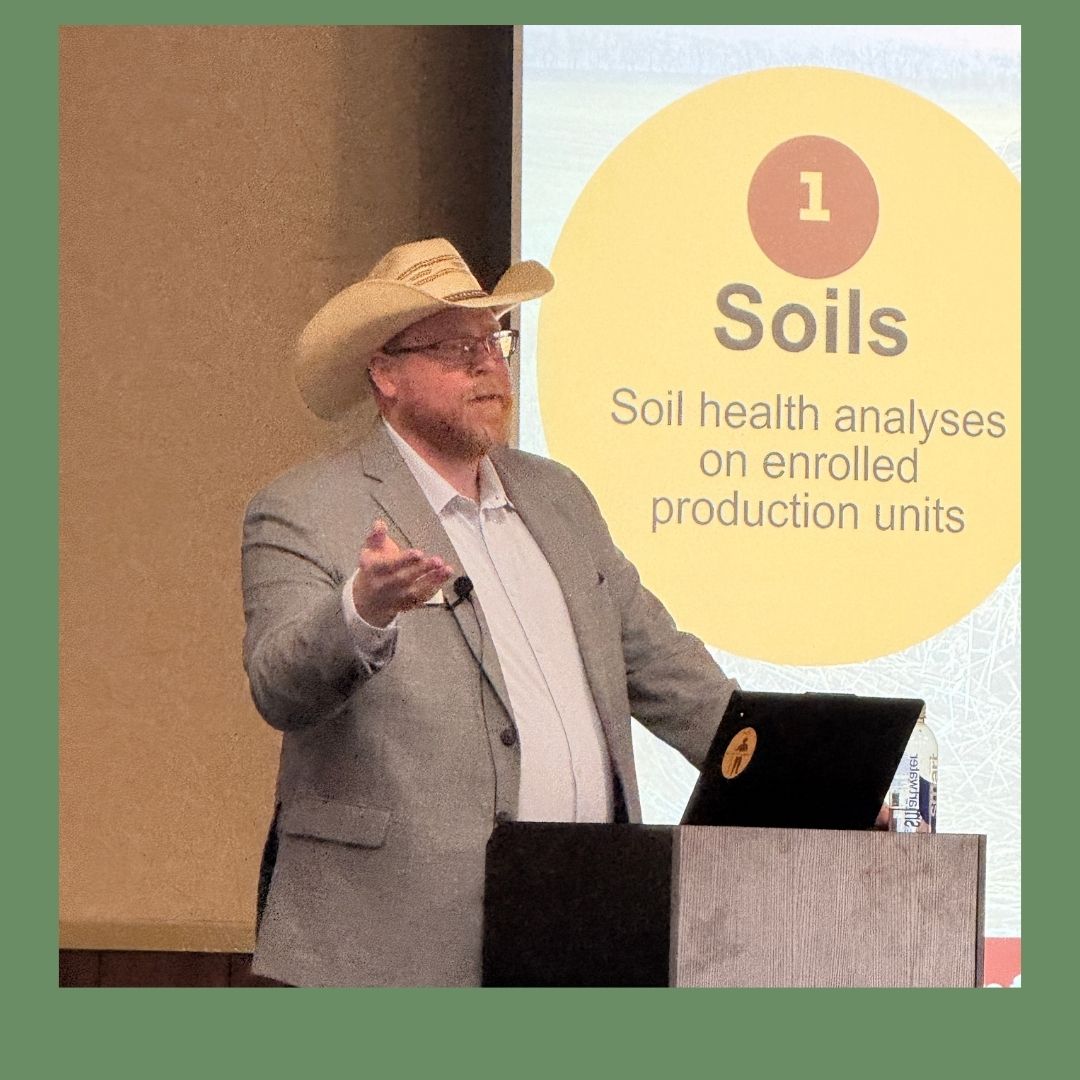
Certified professional soil scientist and renowned soil health educator Ray Archuleta kicked off the program with session emphasizing on soil as a living ecosystem. He guided participants on how to mimic natural systems—using cover crops, diversity, minimal disturbance, and livestock integration—offering a practical framework for reducing external inputs and enhancing farm resilience.
Regenerative grazing leader Greg Judy shared decades of experience from his multi-species grazing operation, demonstrating how thoughtful management can restore soil health while building long-term financial stability. His presentation resonated strongly with livestock producers and those exploring grazing as a regenerative tool.
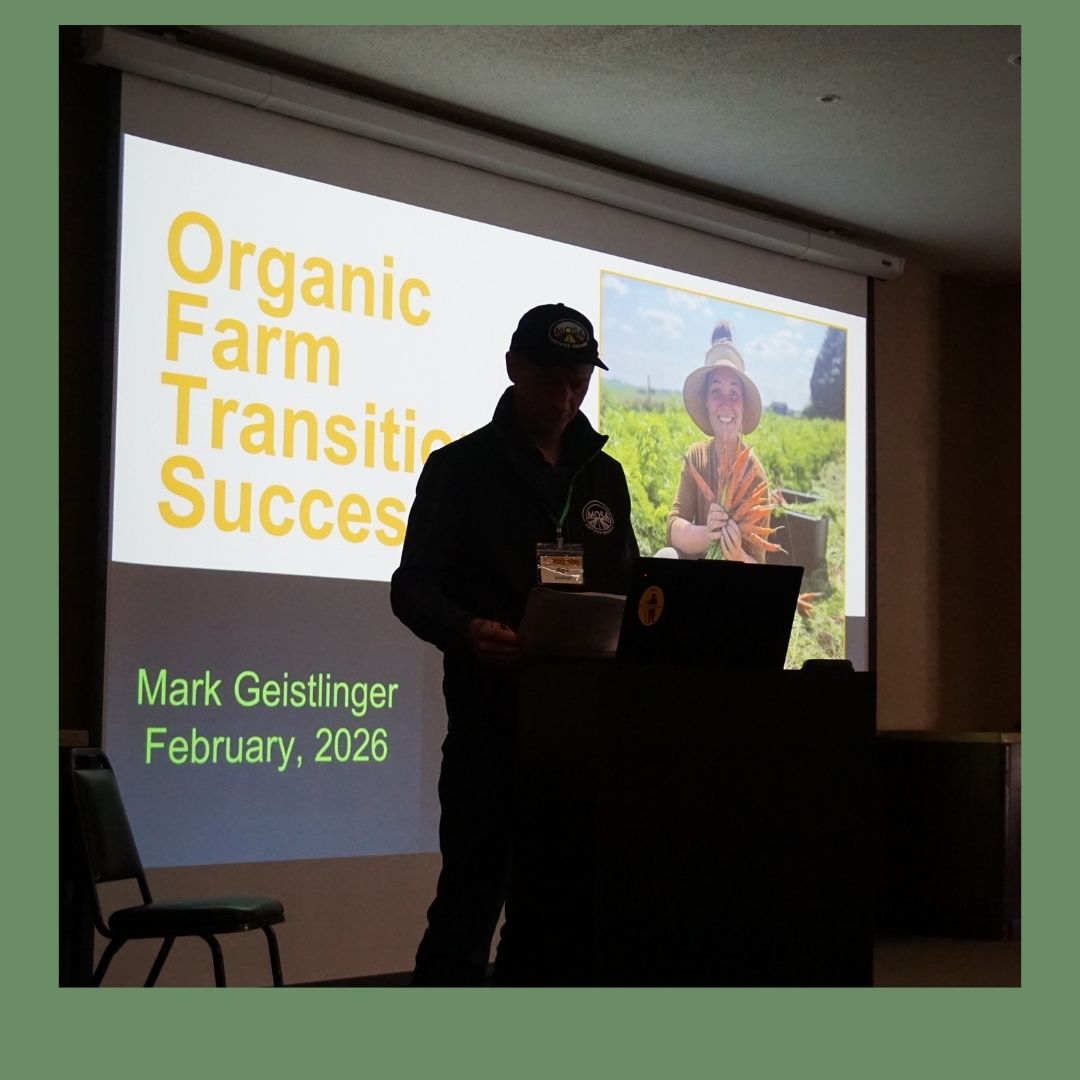
Additional sessions addressed sustainable beekeeping, organic transition, high tunnel planning, farm taxes, enterprise budgeting, agritourism development, regenerative product marketing, fruit tree production, turmeric cultivation and marketing, cover cropping, agricultural plastics, and innovative technologies such as AI-powered robotics for weed control. Collectively, the sessions increased attendees’ readiness to apply new practices and tools on their farms, supporting improved operational efficiency, resilience, and economic viability.
Regeneration Beyond the Field: Supporting the Farmer
Recognizing that successful farming requires more than production expertise alone, the conference intentionally addressed not only production practices, but also the human and business sides of farming. Roots to Resilience: Regenerative Principles for Navigating Stress, Challenges, and Uncertainty, Ryan Erisman led an interactive session focused on the mental and emotional demands of farming. Drawing from principles found in nature and neuroscience, the workshop emphasized that while tools and technology have their place, a farmer’s mindset is often the most powerful asset for navigating uncertainty. Participants explored how thought patterns influence decision-making, stress response, and adaptability, and also gained practical strategies to approach challenges with greater creativity, clarity, and resilience.
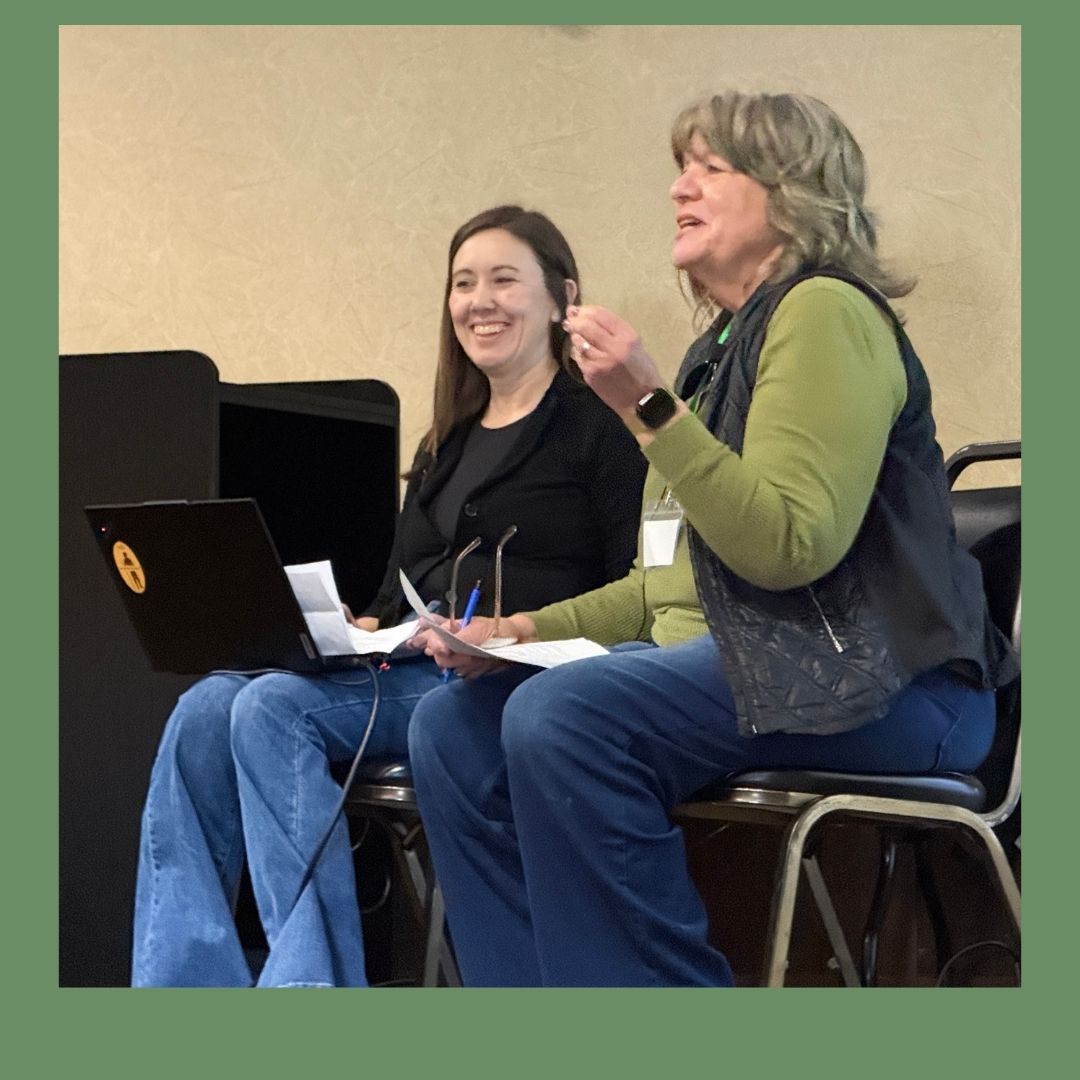
The conference also highlighted pathways for strengthening farm viability and community connection through agritourism. In an interview-style session, Grace Ames sat down with Glenda DeShon to explore what agritourism can look like in practice and how it can be successfully integrated into a working farm. Drawing from her family’s fourth-generation operation at Four Oaks Farm in Boone County, Missouri, Glenda shared how offering on-farm experiences has allowed the DeShon family to diversify income, build stronger relationships with their community, and invite the public into the story of their agriculture. Together, these sessions reinforced the idea that long-term farm success depends on both personal resilience and strategic diversification—providing attendees with tools to support their well-being, strengthen their businesses, and deepen connections with their communities.
Meaningful Connections Beyond the Sessions
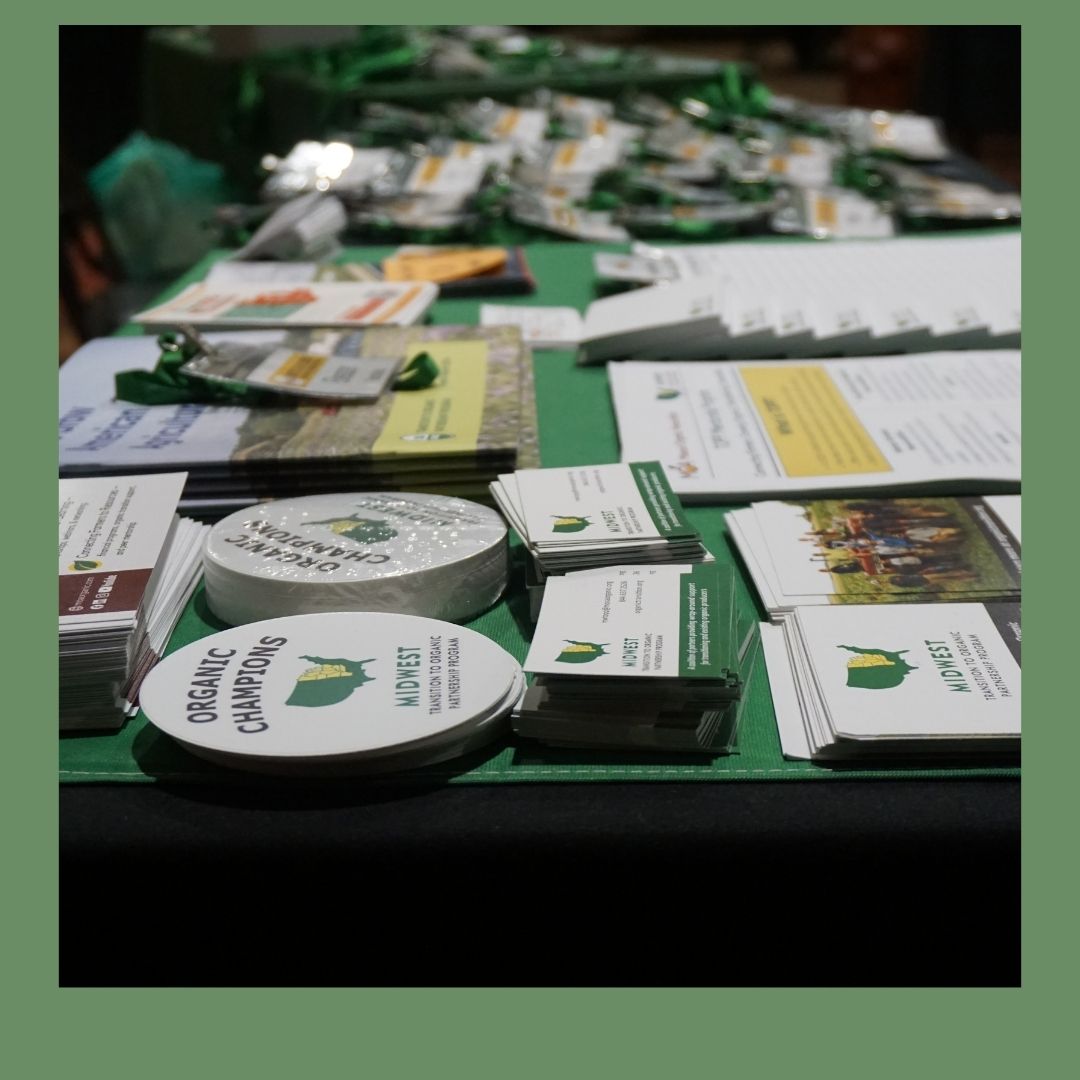
Beyond the formal sessions, the conference offered valuable opportunities for connection. With lunch and snacks provided, attendees had time to engage in hallway conversations and informal gatherings that encouraged experience-sharing, problem-solving, and relationship-building. This sense of community was evident in attendee feedback. Marlena Benware expressed her appreciation enthusiastically, stating, “I loved the conference.” Her comment reflected the views of many participants, who valued not only the quality of the programming but also the welcoming and supportive environment. She also mentioned that she particularly enjoyed the lineup of speakers and the variety of vendor stalls. Another attendee, emphasized the importance of peer-to-peer learning, saying, “I learned a lot about agritourism and really enjoyed talking to fellow farmers.” This feedback highlighted the dual impact of the conference: practical education combined with meaningful farmer-to-farmer exchange.
A recurring theme throughout the event was the long-term value of relationships formed at Missouri Organic Association conferences. One session highlighted how a simple conversation at a past conference led to a transformative market partnership for a farmer—showing how networking opportunities can open doors to premium markets and new possibilities.
Overall Outcomes
The 2026 Missouri Organic Association Conference was widely regarded as a success.
Attendance exceeded expectations, programming covered a diverse and relevant range of topics, and feedback consistently pointed to high satisfaction with both content and connection.
Attendees left the conference better equipped with:
-Practical tools for organic and regenerative production
-Increased confidence in business and financial decision-making
-New ideas for diversification, including agritourism and specialty crops
-Strengthened professional networks and peer support
The conference reinforced the Missouri Organic Association’s role as a trusted organization for education, collaboration, and leadership in organic and regenerative agriculture. By fostering learning, connection, and shared purpose, the event contributed meaningfully to the long-term health of farms, farmers, and rural communities across Missouri and the region.
Written by: Swati Shrestha, PhD, Programs Manager, MOA